
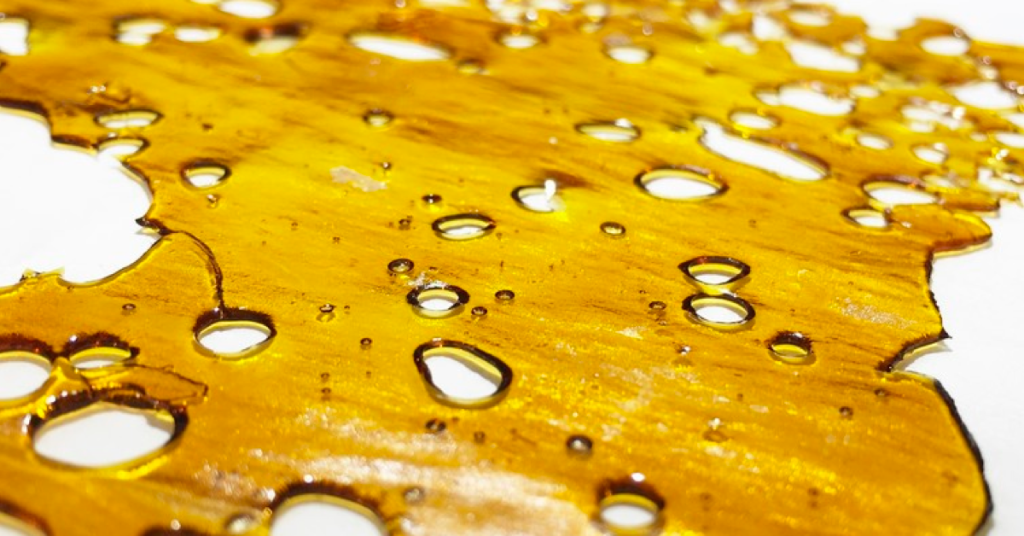
Shatter stands out as one of the most popular cannabis extracts in Canada. Its clear amber appearance and brittle consistency attract both long-time dabbers and newcomers looking for strong effects. Preserving those delicate terpenes and high THC levels requires proper care. If left on a warm counter, a fresh slab turns sticky, darkens, and loses the punch you paid for.
Knowing what causes product degradation saves money and protects your experience. Simple changes to your storage routine keep your concentrates tasting clean from the first dab to the last piece in the jar.
What Is Shatter and Why Does Consistency Matter?
Shatter is a type of cannabis extract created through solvent extraction, usually involving butane or hydrocarbon mixtures. The process strips cannabinoids and aromatic terpenes from the plant material, leaving behind a hard oil. As the solvent evaporates, the compounds form a flat sheet that hardens like glass.
The flat molecules stay stable when cured correctly. This uniform structure gives the product its signature transparency and breakable texture.
The Chemical Makeup of Glass-Like Concentrates
Potency levels generally range between 70 percent and 90 percent total THC. Terpenes give each strain its specific scent and taste, but they also act as natural solvents inside the slab itself. Higher terpene concentrations make the slab softer and more prone to bending instead of snapping cleanly.
When terpenes begin to evaporate, the flavor profile drops instantly. Preserving this compound balance ensures a smooth vapor path and clean taste. If you want to expand your inventory, you can browse a wide selection of top-shelf options when you buy online concentrates and extracts directly from trusted Canadian sources.
How to Store Shatter to Preserve Flavor and Potency
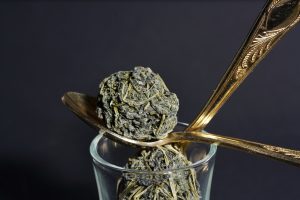
Proper storage balances three environmental factors: light exposure, ambient temperature, and humidity levels. Oxygen and light break THC down into CBN, a weaker cannabinoid that induces heavy sedation instead of clean effects. Heat speeds up chemical reactions, turning a solid slab into liquid goo.
STORAGE ENEMIES & EFFECTS:
- HEAT ──► Melts structure & accelerates sugaring
- OXYGEN ──► Oxidizes THC into sedative CBN
- LIGHT ──► Bleaches color & degrades terpenes
- MOISTURE ──► Causes crackling & pops during heating
Finding a dark drawer or dedicated storage box maintains stability over long periods. Keeping items cool stops volatile aromatics from escaping into the surrounding air.
Short-Term Storage for Daily Use
For product you plan to finish within two weeks, simplicity works best. Wrap your slab in food-grade parchment paper. Parchment paper prevents sticking while allowing you to handle the material cleanly.
After wrapping, place the parchment inside a small glass jar or tight tin. Keep the jar in a cool pantry, closet, or nightstand drawer. Ensure the temperature remains below 20 degrees Celsius. Keep containers far away from electronics, window sills, or heating vents.
Long-Term Storage Solutions
If you stock up during sales, long-term care requires tighter seal controls. Wrap individual portions in parchment paper first. Place those wrapped packets inside an airtight glass mason jar equipped with a rubber gasket lid.
Store the sealed glass container inside a refrigerator set between 2 and 5 degrees Celsius. For storage lasting several months, a freezer works well. Freezing locks the molecular state in place, stopping terpene loss entirely.
Stopping The Sugaring Process Before It Starts
Sugaring describes a common breakdown phase where smooth concentrates turn into a grainy, sugar-like butter. While sugared extract remains safe to consume, the change signals that terpenes and cannabinoids have separated from the original structure.
Once nucleation occurs, the original snap disappears forever. Controlling storage conditions stops this separation before it ruins your stash.
The Role of Heat and Oxygen
Heat destabilizes the bond holding cannabinoids and terpenes together. As warmth hits the slab, THC molecules aggregate into distinct crystals, pushing liquid terpenes to the surface. Air exposure speeds up this separation by evaporating those freed terpenes.
Direct sunlight acts as a double threat by providing both radiant heat and damaging ultraviolet light. Always store your concentrates in opaque boxes or dark cabinets to shield them from ambient room light.
Why Condensation Sizzles on Your Nail
Moisture poses a major threat when using cold storage methods like fridges or freezers. Pulling a cold jar into a warm room causes instant condensation on the cold surfaces, similar to water droplets forming on a cold glass of water in summer.
Opening a cold container immediately pulls room moisture directly onto the extract. Water trapped inside oil creates a loud crackling sound when heated on a hot nail, throwing hot sparks and ruining the vapor quality.
Mistakes That Waste Your Concentrates
Small mistakes lead to wasted product over time. Simple adjustments to your routine protect every milligram of your stash.
The Silicone Container Trap
Silicone containers seem convenient because sticky extracts peel off easily, but silicone is terrible for storing shatter long term. Terpenes act as natural solvents that leach chemical compounds out of silicone materials over time.
This interaction swells the silicone container, softens the wax, and imparts a plastic taste to your dabs. Use silicone only for short trips lasting a day or two. Always default to parchment paper inside glass jars for general home storage.
Handling Brittle Slabs Without The Mess
Snapping off a piece of cold concentrate often sends small glass shards flying across the floor. Trying to hold a warm piece with your fingers leaves a sticky residue on your skin that wastes material.
- Warm your metal dab tool slightly between your thumb and index finger before cutting into the slab.
- Press the warmed tool tip gently into the sheet to melt a clean break line without creating flying fragments.
- Keep your slab resting flat on parchment paper while carving out your desired portion size.
- Touch only the tool handle during preparation to prevent body heat from transferring to the oil.
Plan your sessions ahead so you spend less time handling the main slab. To browse a complete lineup of flower, extracts, and accessories, visit the full online cannabis shop for convenient Canadian home delivery.
Simple Steps for Clean Dabs Every Time
- Step 1: Remove your sealed storage jar from cold storage and set it on a flat table.
- Step 2: Wait 20 to 30 minutes for the sealed jar to reach room temperature before breaking the seal.
- Step 3: Open the container lid and unfold the parchment paper covering your slab.
- Step 4: Use a clean, slightly warmed metal tool to divide a single serving size.
- Step 5: Refold the parchment paper securely around the remaining product immediately.
- Step 6: Seal the glass jar tightly and return it to your dark storage spot.
- Step 7: Load your portion onto your nail or heating chamber and enjoy the session.
Organizing your social gatherings with friends opens up great ways to share high-grade products. For novel themes and setup inspiration, check out these creative cannabis party ideas to plan your next group session safely.
FAQs
How long does shatter last before losing potency?
Stored correctly in parchment paper and a sealed glass jar inside a cool room, it retains full potency for 3 to 6 months. Cold storage inside a freezer extends shelf life to over a year without noticeable terpene breakdown.
Can you fix sugared shatter back into a glass slab?
No, once terpenes and THC separate and crystallize, you cannot restore the original glass texture. The sugared extract remains safe to consume, though it will have a softer texture and slightly altered flavor.
Is parchment paper better than wax paper for storing concentrates?
Yes, always use food-grade parchment paper. Wax paper is coated with petroleum wax that melts under warm oil, contaminating your concentrate with non-smokable residue. Parchment paper features a silicone coating safe for extract contact.
What temperature turns shatter into liquid oil?
Temperatures above 25 degrees Celsius begin softening the solid structure. Prolonged exposure to temperatures over 30 degrees Celsius melts the slab completely into a sticky, difficult-to-handle liquid.